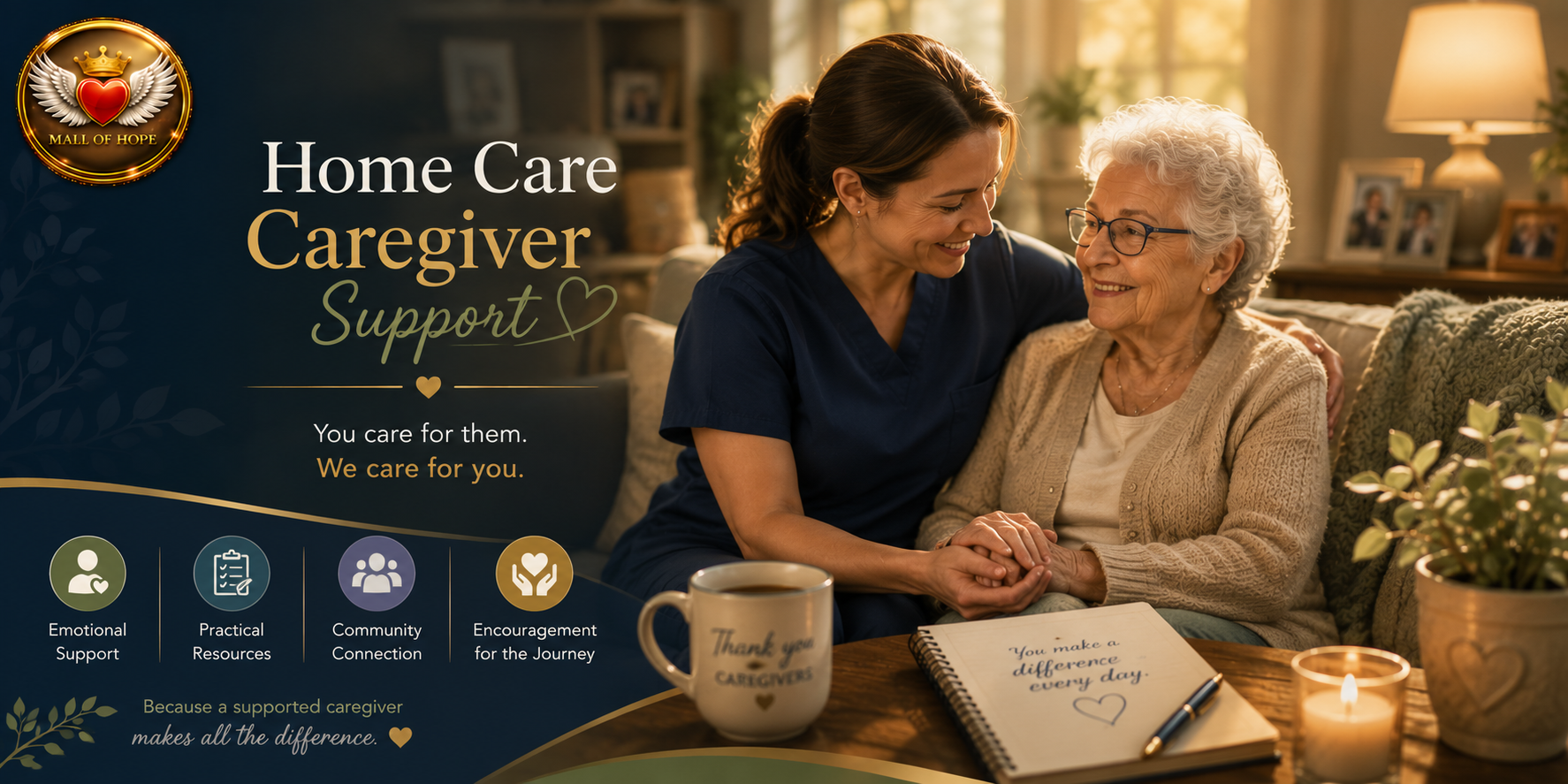

Providing care for an aging parent, spouse, grandparent, or loved one at home is one of the most meaningful responsibilities a person can undertake. Home caregivers help with daily routines, medication reminders, meals, mobility, companionship, transportation, and emotional support while allowing older adults to remain in the comfort of familiar surroundings. Although caregiving can be deeply rewarding, it can also be physically, emotionally, and mentally demanding. Home care caregiver support provides families and professional caregivers with the knowledge, resources, and practical tools they need to deliver compassionate, person-centered care while protecting their own well-being.
As populations age, more families are choosing home-based care over institutional care whenever possible. According to the World Health Organization (2023), the number of people aged 60 years and older is increasing rapidly worldwide, creating a growing need for high-quality home care services and caregiver support. Many older adults also live with Alzheimer’s disease or other forms of dementia, making individualized, person-centered caregiving increasingly important.
Home care involves much more than assisting with physical needs. Effective caregiving recognizes that every individual has a unique history, personality, culture, and set of life experiences that continue to shape who they are. Understanding a person’s life story allows caregivers to build trust, communicate more effectively, and provide care that respects identity rather than focusing only on illness. Research supports person-centered care as a best practice because it improves quality of life, enhances communication, and promotes dignity for individuals living with dementia and other chronic conditions (Fazio et al., 2018).
Whether you are a family caregiver supporting a loved one at home or a professional home health caregiver serving multiple clients, caregiver support helps improve outcomes for both the person receiving care and the individual providing it.
Understanding the Role of Home Caregivers
Home caregivers provide a wide range of services depending on the individual’s health, level of independence, and personal preferences. Some caregivers assist only a few hours each week, while others provide around-the-clock support. Regardless of the schedule, caregiving extends beyond completing daily tasks—it involves building trusting relationships and helping individuals maintain independence, dignity, and quality of life.
Common responsibilities include:
- Personal care, including bathing, grooming, and dressing
- Meal preparation and nutritional support
- Medication reminders and health monitoring
- Transportation to appointments and community activities
- Household tasks and light housekeeping
- Mobility assistance and fall prevention
- Companionship and emotional support
- Communication with healthcare providers
- Assistance with memory-related challenges
- Support for meaningful daily activities
Family caregivers often take on these responsibilities without formal training while balancing employment, parenting, financial responsibilities, and their own health needs. Professional caregivers likewise face demanding schedules and emotional challenges as they support multiple individuals with complex medical and social needs.
Education and caregiver support are therefore essential. Learning effective communication techniques, understanding disease progression, developing safe caregiving practices, and recognizing available community resources help caregivers feel more confident while reducing stress and uncertainty.
Caregiver support also includes understanding the individual’s personal history. Knowing favorite routines, hobbies, occupations, family traditions, and communication preferences enables caregivers to personalize care and strengthen relationships from the very beginning.
Person-Centered Home Care Improves Quality of Life
Modern home care increasingly emphasizes person-centered care, an approach that recognizes each individual as a unique person rather than a collection of medical conditions. Tom Kitwood’s work transformed dementia care by emphasizing that preserving personhood should remain central throughout the caregiving journey (Kitwood, 1997).
Person-centered home care begins by learning the individual’s life story. Rather than focusing exclusively on diagnoses or physical limitations, caregivers seek to understand the person’s experiences, relationships, values, and preferences.
Important areas to explore include:
- Childhood memories and family background
- Career and professional achievements
- Military service or volunteer work
- Religious and spiritual beliefs
- Cultural traditions and language
- Favorite music, hobbies, and recreational activities
- Daily routines and preferred schedules
- Communication preferences
- Family relationships and social connections
- Personal goals and meaningful experiences
This information allows caregivers to tailor conversations, routines, and activities to reflect the person’s identity. For example, someone who spent decades as a teacher may enjoy discussing books or helping grandchildren with homework, while a lifelong gardener may find joy in caring for plants or spending time outdoors.
Research demonstrates that person-centered care can improve communication, reduce distress, strengthen caregiver relationships, and enhance overall quality of life for individuals living with dementia (Fazio et al., 2018). It also benefits caregivers by providing practical strategies for building trust and responding compassionately to behavioral changes.
Simple adjustments—such as using a preferred nickname, playing favorite music during personal care, preparing familiar meals, or following long-established routines—can significantly improve comfort and cooperation while reinforcing the person’s sense of identity.
Supporting Home Caregivers Through Education and Resources
Caregiving is a long-term commitment that often changes as health needs evolve. Families frequently begin by helping with errands or transportation before gradually assuming responsibility for medication management, personal care, mobility assistance, and healthcare coordination. Professional caregivers also encounter changing medical needs that require ongoing education and adaptation.
Comprehensive caregiver support includes access to reliable information, practical tools, and emotional resources.
Helpful support services include:
- Caregiver education programs
- Dementia and Alzheimer’s disease training
- Support groups for family caregivers
- Respite care services
- Home health nursing and therapy
- Occupational and physical therapy
- Social work and case management
- Community senior services
- Legal and financial planning resources
- Advance care planning guidance
Technology has also expanded opportunities for supporting caregivers. Digital care platforms allow families to organize medication schedules, appointment calendars, emergency contacts, advance directives, personal history profiles, and communication notes in one secure location. These tools improve coordination between family members and professional caregivers while reducing the likelihood of missed information.
Life story tools are particularly valuable in home care. Personal history profiles, legacy interviews, memory books, and “Get to Know Me” documents help new caregivers understand the individual quickly while supporting meaningful conversations and person-centered care. These resources become especially important when caring for someone living with dementia because they preserve identity even as memory changes progress.
Research supports life story work and reminiscence as evidence-based interventions that may improve communication, mood, and quality of life for many people living with dementia (Woods et al., 2018). Families can integrate these activities into everyday caregiving by looking through photographs, listening to familiar music, discussing family traditions, or watching recorded legacy videos together.
Caring for the Caregiver While Caring for Others
Caregiver well-being is essential to providing consistent, high-quality care. Family caregivers frequently experience emotional stress, physical fatigue, financial strain, and feelings of isolation as they balance multiple responsibilities. Professional caregivers may also experience compassion fatigue and burnout after providing ongoing support to individuals with complex care needs.
Recognizing these challenges is an important part of sustainable caregiving. Caregivers who maintain their own health are generally better equipped to provide safe, compassionate, and effective care over the long term.
Practical strategies for caregiver well-being include maintaining regular medical appointments, getting adequate sleep, eating nutritious meals, engaging in regular physical activity, accepting help from family and friends, participating in caregiver support groups, and using respite care services when available. Taking breaks should not be viewed as a sign of weakness but as an essential part of maintaining the energy and emotional resilience needed for caregiving.
Families should also plan ahead. Discussing healthcare preferences, legal documents, financial planning, emergency contacts, and long-term care options early reduces uncertainty and helps ensure that future decisions reflect the individual’s wishes. Preserving life stories through interviews, memoirs, legacy videos, and memory books also provides lasting emotional support while reinforcing identity throughout the caregiving journey.
Ultimately, home care caregiver support is about strengthening both the caregiver and the person receiving care. Effective support combines practical education, emotional encouragement, person-centered care, and life story preservation to create meaningful relationships grounded in dignity and respect. By understanding the whole person, preserving their unique identity, and ensuring caregivers receive the support they need, families and professionals can create home environments where older adults continue to experience comfort, purpose, connection, and quality of life.
Frequently Asked Questions
What is home care caregiver support?
Home care caregiver support includes education, resources, respite services, emotional support, and practical tools that help family and professional caregivers provide safe, compassionate, person-centered care at home.
How does person-centered care improve home caregiving?
Person-centered care focuses on the individual’s life history, preferences, routines, values, and relationships. This approach improves communication, strengthens trust, encourages meaningful engagement, and supports dignity throughout the caregiving journey.
What resources are available for family caregivers?
Family caregivers can access caregiver education programs, dementia training, support groups, respite care, home health services, occupational therapy, social workers, community senior programs, and advance care planning resources.
Why is preserving personal history important in home care?
Personal history helps caregivers understand the individual beyond medical conditions. It supports meaningful conversations, individualized activities, stronger relationships, and person-centered care while preserving identity.
How can caregivers avoid burnout?
Caregivers can reduce burnout by accepting help, using respite care, joining support groups, maintaining their own health, seeking education, taking regular breaks, and staying connected with healthcare professionals and community resources.
References
Alzheimer’s Association. (2024). 2024 Alzheimer’s disease facts and figures. Alzheimer’s & Dementia, 20(5), 3708–3821.
Brooker, D. (2007). Person-centred dementia care: Making services better. Jessica Kingsley Publishers.
Fazio, S., Pace, D., Flinner, J., & Kallmyer, B. (2018). The fundamentals of person-centered care for individuals with dementia. The Gerontologist, 58(Suppl. 1), S10–S19.
Kitwood, T. (1997). Dementia reconsidered: The person comes first. Open University Press.
McCormack, B., & McCance, T. (2017). Person-centred practice in nursing and health care: Theory and practice (2nd ed.). Wiley-Blackwell.
National Institute on Aging. (2024). Caring for a person with Alzheimer’s disease. https://www.nia.nih.gov/health/alzheimers-and-dementia/caring-person-alzheimers-disease
Woods, B., O’Philbin, L., Farrell, E. M., Spector, A., & Orrell, M. (2018). Reminiscence therapy for dementia. Cochrane Database of Systematic Reviews, 3, CD001120.
World Health Organization. (2023). Decade of Healthy Ageing (2021–2030). https://www.who.int/initiatives/decade-of-healthy-ageing