Services to Support Caregivers’ Mental Health
Caregivers are human, too. When you have a kind, nurturing heart and care deeply for your patient with dementia or Alzheimer’s, it can be difficult to connect on a personal level, leaving you feeling distant.
Healthcare Has a High Turn Over Rate
The demanding nature of caregiving can make it difficult for even the most nurturing individuals to maintain personal connections with patients, especially those battling dementia or Alzheimer’s.
Patient Advocacy
With this information, caregivers can better understand who their patient was and who they still are, even if they’re no longer at the same cognitive level as before.
It’s important to remember that those suffering from dementia or Alzheimer’s retain much of their individual personality up to a certain point. Just like anyone, if we’re not engaged in something, we won’t participate. Understanding key aspects of their identity can help slow dementia and Alzheimer’s progression, encouraging engagement in activities that extend the time spent with loved ones.
Video Preservation
Preserving video allows you to capture and showcase the personality, identity, and meaningful communications of the individual. Thus offering a unique glimpse into their true self that remains intact, even as memories fade.
Audio Representation
Being able to listen to a loved one’s voice in its original context and essence, regardless of how much their mind has changed or whether they are still with us, offers a deeply meaningful connection.
Capturing the Essence of an Identity
Knowing details like their likes, mottos, life lessons, accomplishments, favorites, dislikes, and more allows caregivers to connect with a person as if they were spending time with them in the real world.
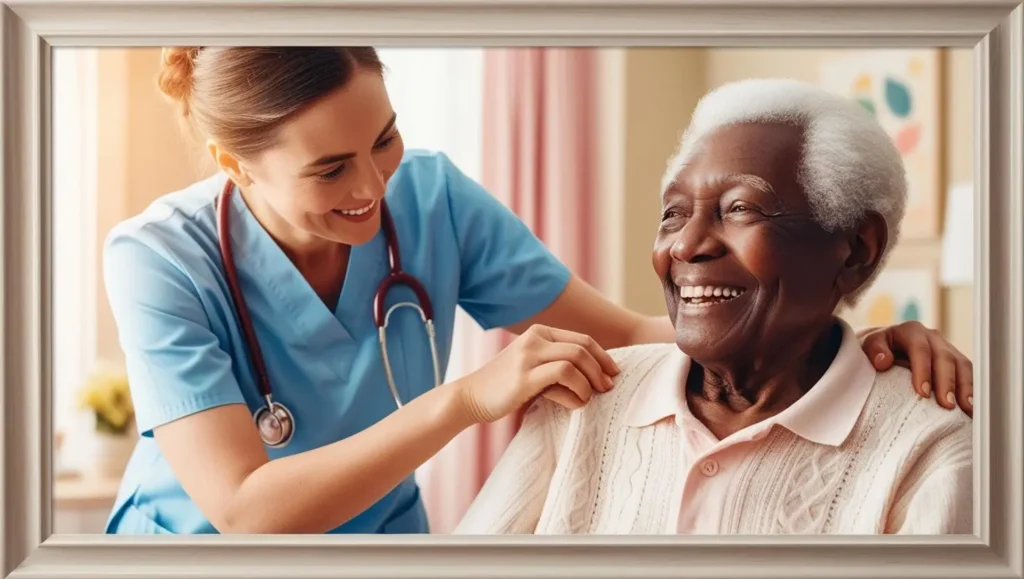
Staying Connected Even When Words Fade
As communication becomes more difficult, preserved media becomes a new way to connect. Watching a familiar video or hearing a voice can stir recognition and shared emotions.
Bridging Generational Gaps
Younger family members may not have known their relative before the illness. Preserved stories allow them to learn about their heritage and experience their loved one’s personality firsthand.
Creating a Legacy Beyond the Diagnosis
Capturing a loved one’s stories, values, and accomplishments allows families to remember and honor the full journey of their life, not just the illness.
Dementia and Alzheimer’s disease do not just affect memory; they alter the foundation of communication, identity, and connection. For caregivers, families, and the individuals affected, preserving who someone is beneath the diagnosis becomes crucial for maintaining human connection and compassionate care.
Rediscovering the Person Behind the Illness
When caring for someone with memory loss, it’s easy to feel like you’re losing the person you once knew. Preserved memories, videos, audio messages, favorite quotes, and personal stories help caregivers reconnect with the individual behind the diagnosis.
Improving Personalized Care
Caregivers armed with detailed personal information like hobbies, foods, or life accomplishments can create care routines that align with the patient’s identity. This personalization reduces agitation and promotes engagement.
Emotional Support for the Caregiver
Caregiving can be emotionally draining. But revisiting a loved one’s voice or watching a video of them speaking can reignite a caregiver’s sense of purpose and emotional connection.
Memory engagement tools like stories and audio can stimulate brain activity and contribute to a slower progression of symptoms, giving families more precious time together.
Preserving memories isn’t just about archiving, it’s an active caregiving tool. It helps us care with more love, connect more deeply, and remember with greater clarity.
Reaffirming Identity Through Memory
Even as memory fades, identity can remain. Photos, music, and stories can trigger emotional recognition and help the individual feel seen and valued.
People with dementia are more likely to engage in activities when they feel familiar. Preserved memories stimulate responses and make everyday interactions more meaningful.
One of the most important aspects of dementia and Alzheimer’s care is preserving emotional connection. While memory loss may affect communication and daily routines, individuals living with dementia still experience emotions, comfort, joy, and companionship. Meaningful interactions can help reduce feelings of fear, confusion, and isolation while improving overall emotional well-being.
Families and caregivers can create these moments through simple yet powerful activities. Looking through family photographs, listening to favorite music, sharing familiar stories, or revisiting meaningful traditions can provide comfort and emotional reassurance. These experiences encourage recognition and engagement, helping individuals remain connected to their personal identity and the people they love.
Personalized memory care also supports a more compassionate caregiving experience. When caregivers understand a person’s history, values, interests, and personality, they can create routines and interactions that feel more familiar and comforting. This deeper understanding can reduce agitation, improve communication, and foster a stronger sense of trust between caregivers and patients.
Every person living with dementia or Alzheimer’s has a unique life story, and effective care should reflect that individuality. Personalized care focuses on more than symptoms or medical routines. It recognizes the importance of honoring the person behind the diagnosis by incorporating familiar experiences, meaningful activities, and emotional support into everyday care.
Understanding a patient’s favorite hobbies, music, career experiences, family traditions, or spiritual beliefs allows caregivers to create more engaging and supportive interactions. Familiar experiences often trigger emotional recognition and can encourage participation in activities that provide comfort and purpose.
This approach also benefits families by creating more meaningful moments together. Instead of focusing solely on the challenges of memory loss, loved ones can reconnect through shared memories, familiar conversations, and treasured life experiences. These interactions help preserve dignity, strengthen emotional bonds, and create moments of joy even during difficult stages of the disease.
At Mall of Hope, we believe personalized memory care is essential for improving quality of life. Through preserved videos, audio recordings, photographs, and life stories, families and caregivers can continue celebrating the individuality, legacy, and humanity of those living with dementia and Alzheimer’s disease.
MALL OF HOPE
A 501c3 NON-PROFIT DEDICATED TO SUPPORTING DEMENTIA OR ALZHEIMERS AS WELL AS THEIR CAREGIVERS OR PROVIDERS