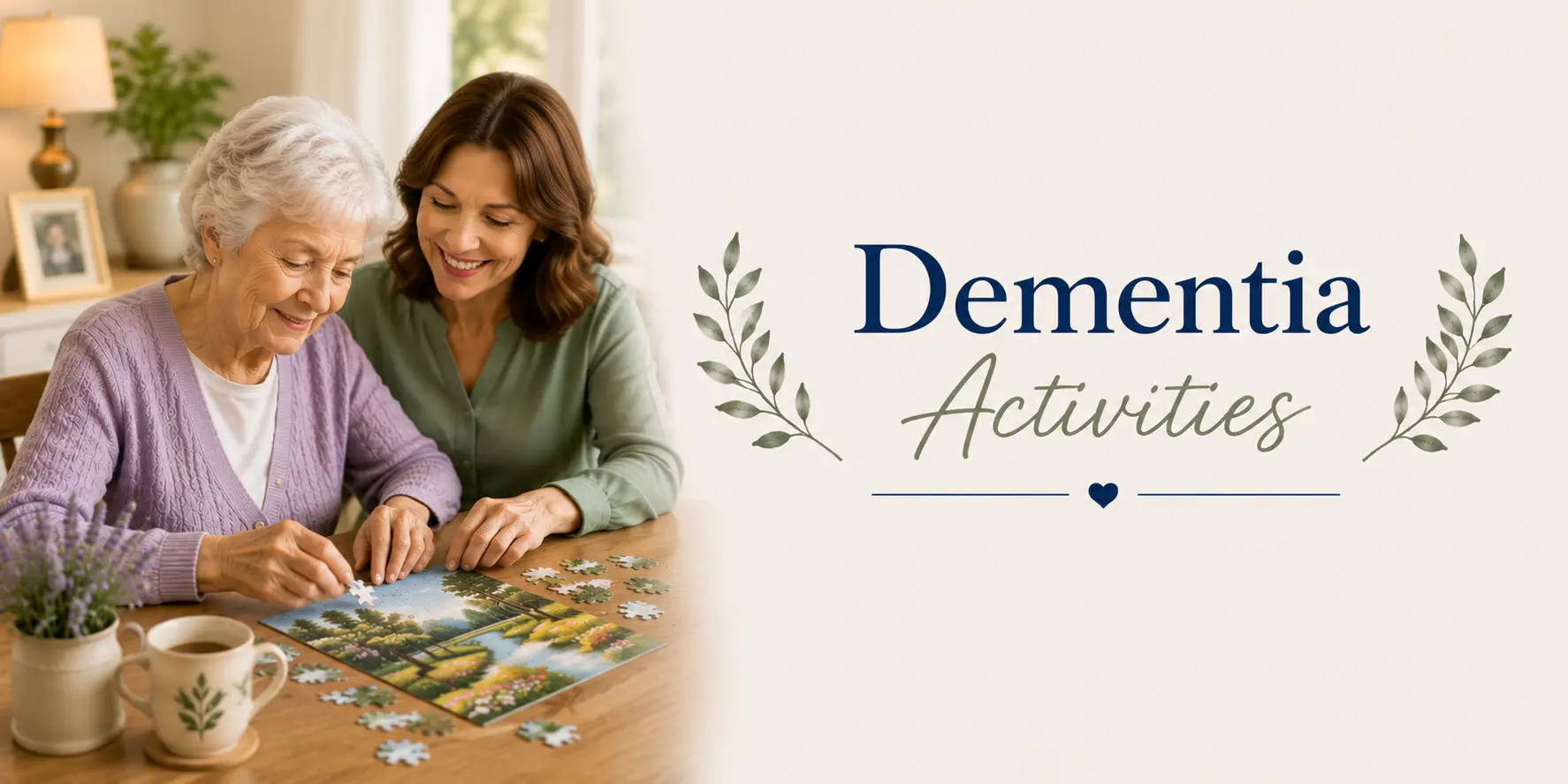

Engagement That Supports Identity, Connection, & Quality of Life
Why Dementia Activities Matter
A dementia diagnosis changes many aspects of daily life, but it does not eliminate a person’s need for purpose, connection, enjoyment, creativity, and meaningful engagement. Individuals living with dementia continue to experience emotions, relationships, preferences, interests, and personal identity even as memory and cognitive abilities change.
Meaningful dementia activities can help support emotional well-being, reduce boredom, encourage social interaction, and strengthen relationships between individuals living with dementia and their caregivers. The most effective activities are not simply designed to keep someone busy. They are designed to honor the individual’s life experiences, abilities, interests, and personal history.
Research suggests that person-centered activities tailored to an individual’s preferences and life story can improve quality of life, reduce behavioral symptoms, and promote positive emotional experiences among people living with dementia (Brooker, 2004; McKeown et al., 2010).
For family caregivers, healthcare professionals, educators, and senior care providers, dementia activities offer opportunities to create moments of joy, connection, and dignity while preserving identity throughout the caregiving journey.
What Are Dementia Activities?
Dementia activities are structured or informal experiences designed to promote engagement, social interaction, emotional well-being, cognitive stimulation, and meaningful participation for individuals living with dementia.
Examples include:
- Reminiscence activities
- Music therapy
- Life story projects
- Family storytelling
- Arts and crafts
- Gardening
- Gentle exercise
- Memory books
- Photo albums
- Reading activities
- Sensory activities
- Spiritual activities
- Pet interaction
- Community engagement
The best activities focus on remaining abilities rather than lost abilities.
Why Meaningful Activities Are Important in Dementia Care
As dementia progresses, individuals may lose opportunities to participate in activities they once enjoyed. Without meaningful engagement, people may experience:
- Boredom
- Social isolation
- Frustration
- Anxiety
- Depression
- Increased behavioral symptoms
Purposeful activities can help support:
- Emotional health
- Self-esteem
- Social connection
- Sense of identity
- Cognitive engagement
- Daily structure
Research supports the use of individualized activities as part of person-centered dementia care approaches (Brooker, 2004).
The Importance of Identity-Based Activities
One of the most effective approaches to dementia activities involves incorporating personal history and identity.
Activities become more meaningful when connected to:
- Previous occupations
- Hobbies
- Family traditions
- Religious beliefs
- Cultural heritage
- Personal accomplishments
- Life experiences
For example:
- A retired teacher may enjoy reading stories aloud.
- A gardener may enjoy planting flowers.
- A veteran may enjoy discussing military history.
- A former nurse may enjoy helping organize supplies.
- A musician may respond positively to familiar songs.
Research on life story work highlights the importance of understanding personal history when creating meaningful engagement opportunities (McKeown et al., 2010).
Dementia Activities for Early-Stage Dementia
Individuals in the early stages often maintain significant independence and may enjoy activities that challenge the mind while preserving autonomy.
Examples include:
Life Story Interviews
Recording memories and experiences helps preserve identity and family history.
Family History Projects
Genealogy and storytelling projects provide meaningful engagement.
Journaling
Writing memories and reflections can support self-expression.
Walking Programs
Regular physical activity promotes overall well-being.
Volunteer Activities
Many individuals continue contributing to their communities.
Creative Arts
Painting, photography, writing, and crafts encourage creativity.
Dementia Activities for Middle-Stage Dementia
As dementia progresses, activities may require more support and structure.
Examples include:
Memory Books
Photo collections with names and stories encourage conversation.
Music Activities
Listening to familiar songs often triggers positive emotional responses.
Baking and Cooking
Simple kitchen tasks can provide enjoyment and familiarity.
Sorting Activities
Organizing objects by color, shape, or type offers purposeful engagement.
Family Storytelling Sessions
Sharing memories promotes connection and emotional well-being.
Gardening
Planting, watering, and caring for plants provide sensory stimulation.
Dementia Activities for Late-Stage Dementia
Even when verbal communication becomes limited, meaningful engagement remains possible.
Examples include:
Familiar Music
Music often remains emotionally meaningful even in advanced dementia.
Hand Massage
A gentle touch can provide comfort and reassurance.
Sensory Activities
Textures, scents, and calming sensory experiences support engagement.
Spiritual Practices
Prayer, worship music, and faith-based rituals may provide comfort.
Reading Aloud
Hearing familiar voices and stories can be soothing.
Family Presence
Simply spending time together often remains deeply meaningful.
Life Story Activities for Dementia Care
Life story work is one of the most valuable dementia activity approaches.
Life story activities may include:
- Biography projects
- Memory books
- Oral history interviews
- Family history collections
- Recorded life stories
- Legacy letters
- Digital memory archives
Research suggests that life story work supports person-centered care while helping caregivers better understand the individual behind the diagnosis (McKeown et al., 2010).
Music Activities for Dementia
Music is one of the most widely recommended dementia interventions.
Benefits may include:
- Emotional comfort
- Reduced agitation
- Increased social engagement
- Positive mood enhancement
- Improved communication opportunities
Songs associated with important life experiences often produce particularly meaningful responses.
Family Storytelling Activities
Family storytelling allows individuals living with dementia to share experiences, memories, and values.
Activities may include:
- Looking through photographs
- Discussing family traditions
- Recording memories
- Creating family timelines
- Preserving oral histories
Research indicates that family narratives contribute to identity continuity and emotional connection (Fivush, Bohanek, & Duke, 2008).
Activities for Family Caregivers
Dementia activities benefit caregivers as well as care recipients.
Benefits include:
Improved Communication
Activities create opportunities for meaningful interaction.
Reduced Caregiver Stress
Positive engagement can decrease frustration and conflict.
Preservation of Family Memories
Caregivers can capture stories before they are lost.
Stronger Emotional Connections
Shared experiences foster relationship continuity.
Dementia Activities in Healthcare and Memory Care Settings
Healthcare professionals and memory care staff often use structured activities to support quality of life.
Programs may include:
- Reminiscence groups
- Music therapy sessions
- Art programs
- Exercise classes
- Spiritual support
- Family involvement initiatives
Person-centered approaches help ensure activities remain meaningful and individualized.
How Our Dementia Activity Services Help
Our services focus on activities that preserve identity, encourage engagement, and strengthen family connections.
We help families and care organizations create:
- Life story projects
- Family history collections
- Memory preservation systems
- Biography projects
- Oral history recordings
- Digital memory archives
- Legacy preservation initiatives
- Identity-centered caregiver resources
Our mission is to ensure that individuals living with dementia continue to be recognized, understood, and valued for who they are—not simply for their diagnosis.
Frequently Asked Questions
What are the best activities for someone with dementia?
The best activities are individualized and connected to the person’s interests, history, and abilities.
Why are dementia activities important?
They support emotional well-being, social engagement, identity preservation, and quality of life.
What activities help individuals with Alzheimer’s disease?
Music, reminiscence activities, family storytelling, gardening, arts and crafts, and life story projects are commonly recommended.
Can activities reduce agitation in dementia?
Research suggests that meaningful engagement can reduce boredom, frustration, and certain behavioral symptoms.
What is life story work?
Life story work involves documenting personal experiences, memories, and family history to support identity and person-centered care.
How can caregivers use family photographs?
Photographs encourage conversation, reminiscence, and emotional connection.
Are dementia activities useful in advanced stages?
Yes. Sensory experiences, music, touch, spiritual practices, and family presence remain meaningful.
How do life story activities help caregivers?
They improve understanding of the individual’s history, preferences, and identity.
Can family storytelling support dementia care?
Yes. Storytelling helps preserve memories, strengthen relationships, and support identity continuity.
What activities preserve identity in dementia?
Life story recording, biography projects, family history preservation, oral histories, and memory books are particularly effective.
Key Takeaways
Dementia activities are most effective when they focus on preserving identity, encouraging meaningful engagement, and strengthening human connection. Whether through music, storytelling, gardening, art, reminiscence, or life story preservation, activities help individuals living with dementia continue experiencing purpose, dignity, and joy. By understanding personal history and tailoring activities to individual interests and abilities, families and caregivers can create meaningful moments that support emotional well-being and preserve what matters most: the person’s unique story and identity.
References
Brooker, D. (2004). What is person-centred care in dementia? Reviews in Clinical Gerontology, 13(3), 215–222. https://doi.org/10.1017/S095925980400108X
Fivush, R., Bohanek, J. G., & Duke, M. P. (2008). The intergenerational self: Subjective perspective and family history. In F. Sani (Ed.), Individual and Collective Self-Continuity. Psychology Press.
McKeown, J., Clarke, A., Ingleton, C., Ryan, T., & Repper, J. (2010). The use of life story work with people with dementia to enhance person-centred care. International Journal of Older People Nursing, 5(2), 148–158. https://doi.org/10.1111/j.1748-3743.2010.00219.x
Woods, B., O’Philbin, L., Farrell, E. M., Spector, A. E., & Orrell, M. (2018). Reminiscence therapy for dementia. Cochrane Database of Systematic Reviews, 3(3), CD001120. https://doi.org/10.1002/14651858.CD001120.pub3