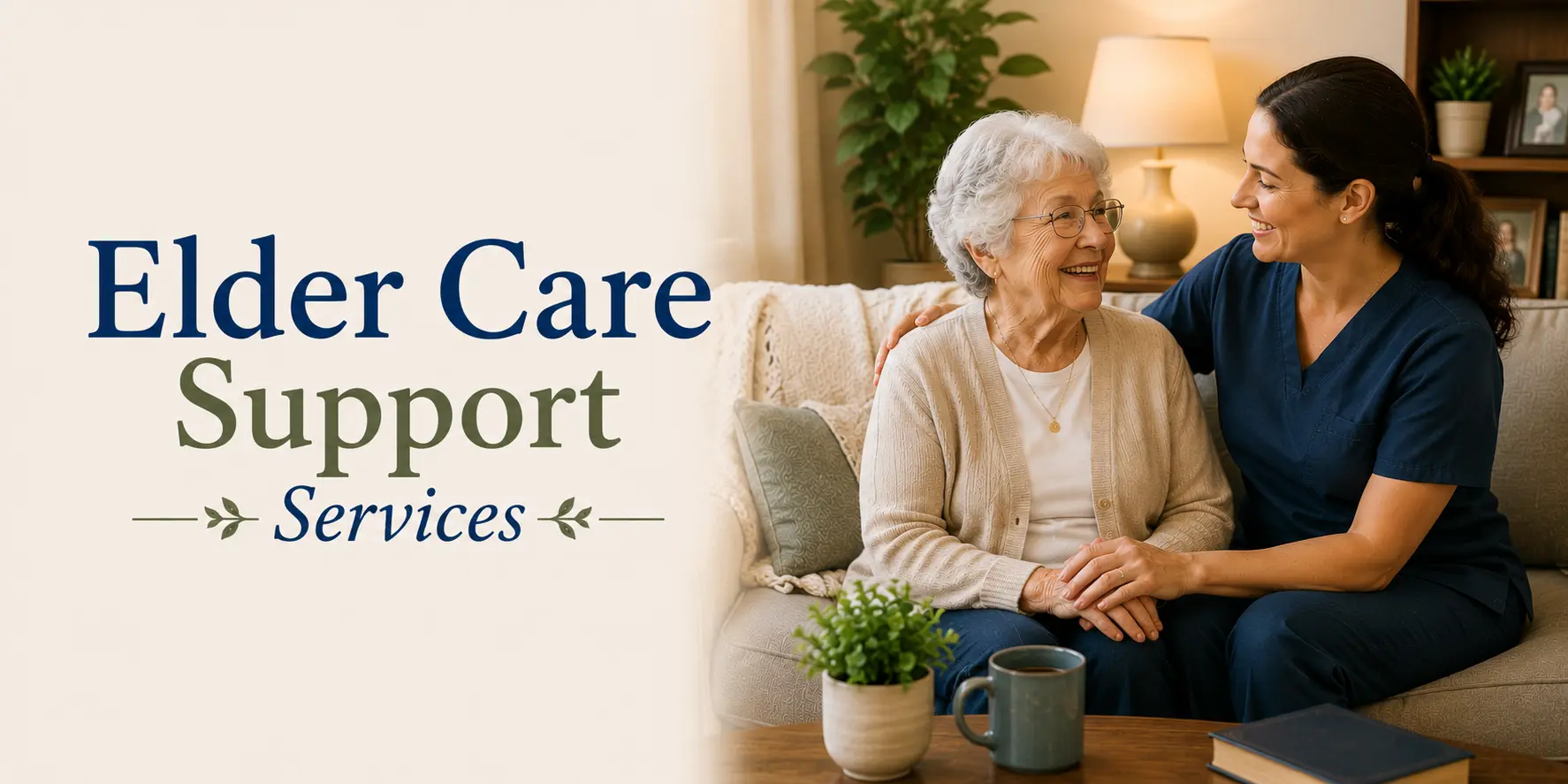

Compassionate Guidance for Aging Adults, Families, and Caregivers
Understanding Elder Care Support in Today’s Aging World
As people live longer than ever before, families increasingly face questions about how to support aging parents, grandparents, spouses, and loved ones. While aging is a natural part of life, it often brings physical, emotional, cognitive, social, and practical challenges that affect not only older adults but entire families.
Elder care support encompasses a broad range of services, resources, planning tools, caregiver assistance, memory preservation initiatives, and person-centered approaches designed to help older adults maintain dignity, independence, and quality of life. Effective elder care support recognizes that seniors are more than their health conditions or care needs. They are individuals with unique life stories, values, accomplishments, relationships, traditions, and experiences that continue to shape who they are.
For healthcare professionals, educators, self-employed professionals, family caregivers, and senior care organizations, elder care support provides practical solutions while helping preserve identity and family continuity across generations.
Research suggests that person-centered approaches improve quality of life, support emotional well-being, and foster meaningful engagement among older adults (Brooker, 2004). Elder care support is most effective when it balances practical caregiving needs with dignity, connection, and identity preservation.
What Is Elder Care Support?
Elder care support refers to services, resources, and assistance designed to help older adults and their families navigate the challenges associated with aging.
Support may include:
- Caregiver education
- Memory care resources
- Care coordination
- Life story documentation
- Family communication support
- Long-term care planning
- Home safety guidance
- Social engagement resources
- Health advocacy
- Legacy preservation services
- Family history documentation
The goal is to enhance well-being while supporting independence, safety, and meaningful relationships.
Why Elder Care Support Is Increasingly Important
The global population of older adults continues to grow rapidly. According to the World Health Organization, healthy aging requires more than medical care alone. It involves maintaining functional ability, social connections, purpose, and quality of life throughout later years.
Families frequently encounter challenges such as:
- Managing chronic health conditions
- Coordinating medical care
- Supporting cognitive changes
- Addressing mobility concerns
- Navigating family responsibilities
- Preserving independence
- Planning for future care needs
Without adequate support, these responsibilities can become overwhelming for both older adults and their caregivers.
Elder Care Support for Aging Adults
Many seniors want to remain active, independent, and engaged in meaningful activities for as long as possible.
Elder care support helps older adults:
- Maintain autonomy
- Stay socially connected
- Organize important information
- Preserve personal stories
- Document life experiences
- Share family history
- Plan for future needs
Support services should empower older adults rather than diminish their independence.
Elder Care Support for Family Caregivers
Family caregivers provide the majority of long-term care for aging loved ones.
Responsibilities often include:
- Transportation
- Appointment management
- Medication assistance
- Financial oversight
- Household support
- Emotional encouragement
- Advocacy within healthcare systems
Research demonstrates that caregivers frequently experience elevated levels of stress, anxiety, and physical strain (Adelman et al., 2014).
Elder care support provides resources that help caregivers navigate these responsibilities more effectively while reducing burnout risk.
Elder Care Support for Dementia and Alzheimer’s Care
Many older adults experience memory-related conditions such as Alzheimer’s disease, vascular dementia, Lewy body dementia, or mild cognitive impairment.
Specialized elder care support can help families:
- Understand disease progression
- Improve communication
- Support person-centered care
- Preserve identity
- Reduce caregiver stress
- Create memory preservation resources
Research indicates that life story work can strengthen relationships and improve person-centered care for individuals living with dementia (McKeown et al., 2010).
Elder Care Support for Healthcare Professionals
Healthcare providers play a critical role in supporting aging populations.
Professionals benefit from resources that help them:
- Deliver person-centered care
- Understand patient preferences
- Improve family communication
- Coordinate care planning
- Incorporate life stories into care
Understanding a person’s history, values, and experiences often improves care outcomes and strengthens trust.
Elder Care Support for Educators
Many educators find themselves caring for aging parents while continuing demanding careers.
Support services can assist educators with:
- Care planning
- Family communication
- Memory preservation projects
- Stress management
- Legacy documentation
Educators also possess valuable personal and professional experiences that deserve preservation for future generations.
Elder Care Support for Self-Employed Professionals
Entrepreneurs and self-employed professionals often face unique elder care challenges because caregiving responsibilities can directly affect income and business operations.
Support services can help with:
- Business continuity planning
- Family organization systems
- Caregiving documentation
- Future planning
- Legacy preservation
Structured systems help reduce uncertainty and improve decision-making.
Preserving Identity as People Age
One of the most meaningful aspects of elder care support is identity preservation.
Older adults are more than patients or care recipients. They are:
- Parents
- Grandparents
- Veterans
- Teachers
- Healthcare professionals
- Business owners
- Community leaders
- Storytellers
Their experiences, values, traditions, and accomplishments remain important regardless of age or health status.
Person-centered elder care emphasizes understanding the individual behind the care plan.
The Role of Life Story Work in Elder Care
Life story work involves documenting personal experiences, memories, achievements, relationships, and values.
Research suggests that life story interventions can:
- Improve communication
- Support emotional well-being
- Enhance person-centered care
- Strengthen family relationships
- Promote dignity and identity
(McKeown et al., 2010)
Life story projects may include:
- Personal biographies
- Memory journals
- Recorded interviews
- Family history collections
- Digital archives
- Legacy letters
These resources become valuable tools for caregivers, healthcare providers, and future generations.
Family History and Legacy Preservation
Many older adults possess stories that exist nowhere else.
These stories may include:
- Childhood memories
- Military service experiences
- Career accomplishments
- Family traditions
- Historical events
- Life lessons
- Personal wisdom
Documenting these experiences preserves family identity while creating meaningful legacy resources.
Benefits of Elder Care Support Services
Improved Quality of Life
Older adults maintain greater engagement and purpose.
Reduced Caregiver Stress
Families gain access to resources and planning tools.
Better Communication
Life story information supports meaningful conversations.
Enhanced Person-Centered Care
Care plans become more individualized and respectful.
Stronger Family Relationships
Shared understanding strengthens family connections.
Preservation of Identity
Personal stories and values remain accessible.
Long-Term Legacy Protection
Family history and wisdom are preserved for future generations.
How Our Elder Care Support Services Help
Our elder care support services focus on preserving identity, strengthening family connections, and helping caregivers provide compassionate, person-centered support.
We assist families with:
- Life story recording
- Family history preservation
- Memory archive creation
- Caregiver reference systems
- Legacy planning
- Personal biography development
- Digital memory preservation
- Identity-centered care resources
Our approach recognizes that aging does not diminish a person’s value, story, or legacy.
Frequently Asked Questions
What is elder care support?
Elder care support includes services, resources, education, and planning tools that help older adults and their families navigate aging-related challenges.
Who benefits from elder care support?
Older adults, family caregivers, healthcare professionals, educators, self-employed professionals, and senior care organizations.
Why is elder care support important?
It improves quality of life, reduces caregiver stress, supports independence, and helps preserve dignity and identity.
Can elder care support help families affected by dementia?
Yes. Specialized support can improve communication, care planning, memory preservation, and caregiver confidence.
What is person-centered elder care?
Person-centered care focuses on the individual’s history, preferences, values, and life experiences rather than solely on health conditions.
How does life story work support elder care?
Life story information helps caregivers and healthcare providers understand the person behind the diagnosis, resulting in more meaningful support.
What should families preserve as loved ones age?
Stories, photographs, family history, traditions, values, recordings, life lessons, and important memories.
Can elder care support reduce caregiver burnout?
Research suggests that caregiver education, planning tools, and support services can significantly improve caregiver well-being (Adelman et al., 2014).
When should families begin elder care planning?
Ideally, before a crisis occurs, allowing time for thoughtful decision-making and memory preservation.
How can elder care support strengthen family relationships?
Shared stories, improved communication, and greater understanding help families remain connected across generations.
Key Takeaways
Elder care support is about more than managing the challenges of aging. It is about preserving dignity, maintaining independence, strengthening relationships, and protecting the stories that define a person’s life. Through caregiver education, life-story preservation, family history documentation, memory archives, and person-centered planning, elder care support helps families navigate aging with compassion, confidence, and connection. The most effective elder care honors not only physical needs but also the identity, experiences, and legacy of the individual receiving care.
References
Adelman, R. D., Tmanova, L. L., Delgado, D., Dion, S., & Lachs, M. S. (2014). Caregiver burden: A clinical review. JAMA, 311(10), 1052–1060. https://doi.org/10.1001/jama.2014.304
Brooker, D. (2004). What is person-centred care in dementia? Reviews in Clinical Gerontology, 13(3), 215–222. https://doi.org/10.1017/S095925980400108X
McKeown, J., Clarke, A., Ingleton, C., Ryan, T., & Repper, J. (2010). The use of life story work with people with dementia to enhance person-centred care. International Journal of Older People Nursing, 5(2), 148–158. https://doi.org/10.1111/j.1748-3743.2010.00219.x
World Health Organization. (2022). Decade of Healthy Ageing: Baseline report. World Health Organization.