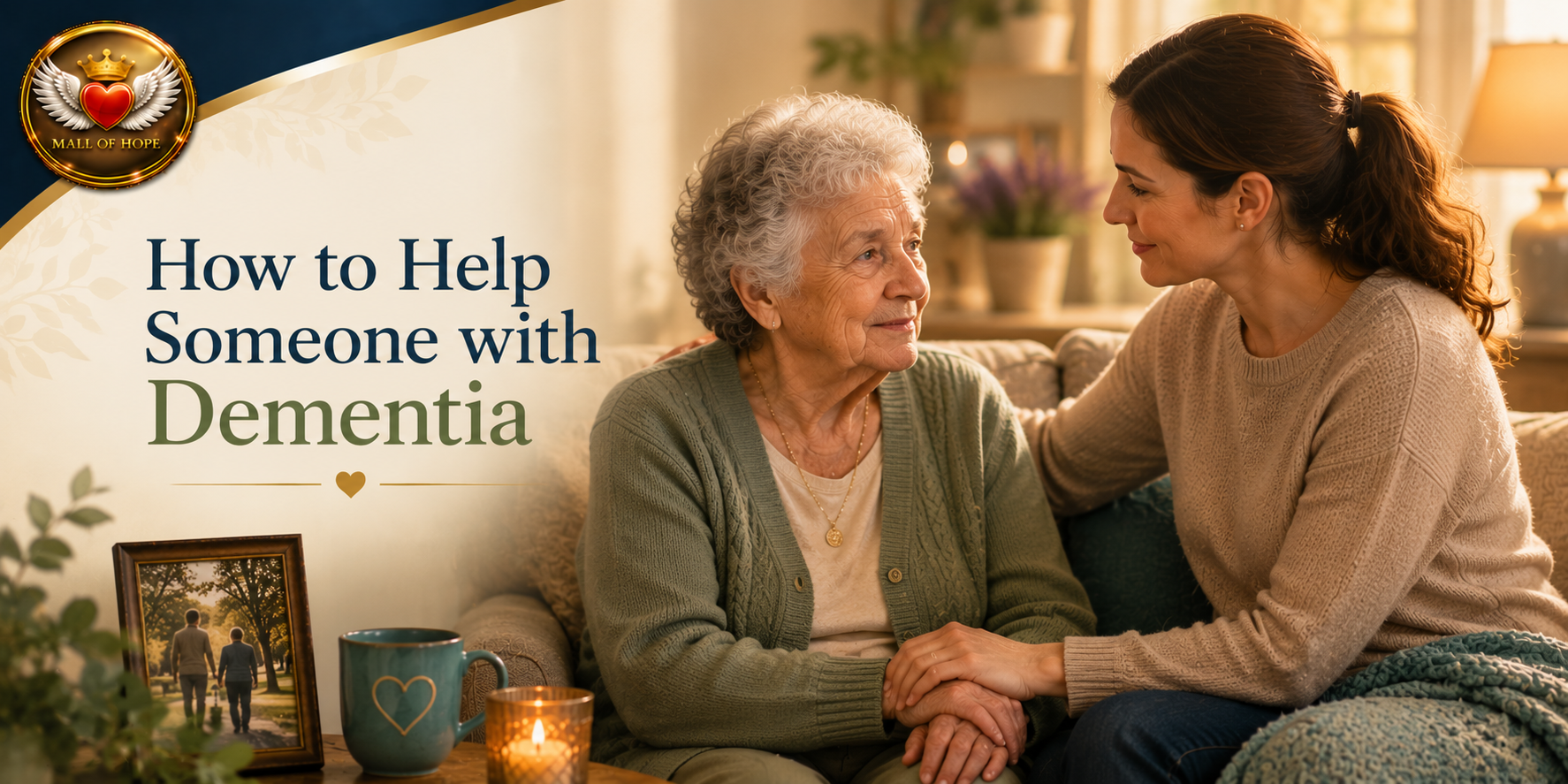

Supporting someone living with dementia is one of the most meaningful and challenging roles a family member or caregiver can undertake. Alzheimer’s disease and other forms of dementia gradually affect memory, communication, thinking, and daily functioning, but they do not erase a person’s identity, emotions, relationships, or need for love and dignity. Understanding how to help someone with dementia means recognizing the individual beyond the diagnosis and providing compassionate, person-centered care that supports their strengths while adapting to changing needs.
Dementia affects more than memory. It can influence language, judgment, mood, orientation, and the ability to perform everyday activities. However, every individual experiences dementia differently, and no two caregiving journeys are exactly alike. The most effective support begins with understanding the person’s life history, preferences, values, routines, and relationships rather than focusing only on the disease itself.
According to the World Health Organization (2023), more than 55 million people worldwide are living with dementia, making it one of the leading causes of disability and dependency among older adults. Research demonstrates that person-centered care, meaningful engagement, life story work, and effective communication improve quality of life while helping preserve identity throughout the progression of dementia (Fazio et al., 2018; Kitwood, 1997).
Whether you are caring for a spouse, parent, grandparent, sibling, friend, or neighbor, the goal is not simply to manage symptoms but to help the person continue living with purpose, comfort, and dignity. By combining practical caregiving strategies with compassion and patience, families can create supportive environments that strengthen relationships while preserving meaningful connections.
Understanding Dementia Beyond Memory Loss
Many people associate dementia solely with forgetfulness, but dementia is an umbrella term for conditions that affect cognitive function, including Alzheimer’s disease, vascular dementia, Lewy body dementia, frontotemporal dementia, and other neurological disorders. Symptoms often include changes in memory, communication, problem-solving, judgment, orientation, mood, and behavior.
Although cognitive abilities change over time, people living with dementia continue to experience emotions, relationships, creativity, spirituality, humor, and the desire for meaningful human connection. Person-centered dementia care recognizes these strengths rather than defining someone by their diagnosis.
Tom Kitwood (1997) emphasized that preserving personhood should remain central to dementia care. Instead of asking only, “What does this person need medically?” caregivers should also ask:
- What has this person’s life been like?
- What activities have always brought them joy?
- What family traditions are meaningful?
- What music, hobbies, or memories provide comfort?
- How do they prefer to communicate?
- What routines help them feel secure?
- What values and beliefs have guided their life?
Understanding these aspects of the person’s identity allows caregivers to provide individualized support that reduces stress while strengthening trust and emotional connection.
Families should also remember that many behaviors associated with dementia represent attempts to communicate unmet needs. Pain, hunger, loneliness, fear, fatigue, unfamiliar surroundings, overstimulation, or changes in routine may contribute to distress. Responding with curiosity and compassion often proves more effective than correcting or arguing.
Practical Ways to Help Someone with Dementia
Providing effective dementia care begins with creating an environment where the individual feels safe, respected, and understood. Small adjustments to communication, routines, and daily activities can significantly improve comfort while reducing frustration for both caregivers and the person receiving care.
Helpful caregiving strategies include:
- Speak slowly using simple, clear sentences.
- Maintain eye contact and offer reassurance.
- Give one instruction at a time.
- Allow extra time for responses.
- Avoid correcting every memory mistake.
- Maintain familiar daily routines whenever possible.
- Reduce unnecessary noise and distractions.
- Encourage independence whenever it is safe.
- Offer choices rather than asking open-ended questions.
- Celebrate successes instead of focusing on limitations.
Communication is one of the most important caregiving skills. Rather than testing memory by asking, “Do you remember?” try sharing information gently or focusing on the emotions behind the conversation. If someone becomes confused about time or place, redirecting attention calmly is often more helpful than insisting on factual accuracy.
The physical environment also plays an important role. Clear signage, adequate lighting, uncluttered walkways, familiar furniture, and visible calendars or clocks can reduce confusion while promoting confidence and independence.
Nutrition, hydration, physical activity, and adequate sleep remain essential throughout every stage of dementia. Gentle exercise, walks outdoors, stretching, gardening, or chair exercises support both physical and emotional well-being while reducing restlessness.
Families should also prioritize safety by reviewing driving ability, medication management, fall prevention, emergency planning, and home modifications as the disease progresses. These conversations are often easier when approached proactively rather than during a crisis.
Supporting Identity Through Person-Centered Care
One of the most powerful ways to help someone with dementia is by preserving their identity. Although dementia gradually changes memory and communication, it does not erase a person’s life experiences, accomplishments, relationships, values, or personality. Person-centered care focuses on understanding these aspects of the individual’s life while incorporating them into everyday caregiving.
Life story work is an effective tool for preserving identity. Families can create life story books, record interviews, organize family photographs, preserve recipes, document favorite music, and write biographies that describe childhood, careers, military service, parenting, hobbies, faith, and important milestones.
Meaningful activities should reflect the individual’s lifelong interests rather than generic recreational programs. For example:
- A retired teacher may enjoy reading books with grandchildren.
- A former gardener may enjoy planting flowers or watering vegetables.
- A musician may respond positively to favorite songs.
- A veteran may appreciate military history or service memorabilia.
- A parent may enjoy organizing family photographs.
- A cook may enjoy preparing simple recipes.
Research supports reminiscence therapy and life story work as evidence-based interventions that may improve communication, mood, and quality of life for many individuals living with dementia (Woods et al., 2018). Familiar photographs, music, traditions, and stories often stimulate conversation while providing emotional comfort.
Family involvement remains essential throughout the caregiving journey. Sharing personal history with healthcare professionals helps ensure that new caregivers understand the individual’s personality, routines, communication preferences, cultural traditions, and meaningful relationships.
Technology also supports identity preservation. Legacy videos, digital memory books, recorded family interviews, and secure digital archives allow families to preserve voices, photographs, documents, and stories that continue to benefit both caregivers and future generations.
Caring for Yourself While Caring for Someone Else
Supporting someone with dementia can be emotionally, physically, and mentally demanding. Many family caregivers balance employment, parenting, financial responsibilities, and caregiving while experiencing grief as they witness changes in someone they love. Caring for yourself is therefore an essential part of providing effective care.
Caregivers should:
- Accept help from family members and friends.
- Join caregiver support groups.
- Schedule regular breaks and respite care.
- Maintain routine medical appointments.
- Prioritize healthy eating and adequate sleep.
- Continue enjoyable hobbies whenever possible.
- Seek counseling if feelings of stress or grief become overwhelming.
- Learn about dementia through reputable educational resources.
Education empowers caregivers to respond with confidence while reducing unnecessary fear and frustration. Understanding how dementia progresses helps families anticipate future changes, plan ahead, and make informed decisions regarding healthcare, finances, legal planning, and long-term care.
Advance care planning is also important. Early conversations about healthcare wishes, legal documents, financial planning, and personal preferences allow individuals living with dementia to participate in decisions while they still have decision-making capacity. Preserving personal history through life story interviews, autobiography recordings, and legacy projects also ensures their identity remains central throughout future care.
Most importantly, caregivers should remember that meaningful moments continue throughout every stage of dementia. A familiar song, a shared laugh, holding hands, looking through photographs, or simply sitting together in silence can provide comfort that words sometimes cannot express.
Helping someone with dementia is ultimately about preserving dignity, strengthening relationships, and honoring the person they have always been. By approaching care with patience, empathy, and a commitment to understanding the individual’s unique life story, families create environments where love, identity, and connection remain stronger than memory loss. Although the journey is rarely easy, compassionate, person-centered care allows individuals living with dementia to continue experiencing belonging, purpose, and respect while creating meaningful memories for everyone involved.
Frequently Asked Questions
How can I best help someone with dementia?
The most effective approach is person-centered care. Learn about the individual’s life history, communicate calmly, maintain familiar routines, encourage meaningful activities, support independence when possible, and respond with patience rather than correction.
Should I correct someone with dementia when they are confused?
In many situations, gently validating feelings and redirecting the conversation is more helpful than insisting on factual accuracy. Reducing distress is generally more important than correcting memory errors.
What activities are helpful for people living with dementia?
Meaningful activities include listening to familiar music, looking through family photographs, gardening, baking, walking, life story interviews, arts and crafts, faith-based activities, reading, and spending time with loved ones.
How can families preserve memories before dementia progresses?
Families can record life story interviews, create legacy videos, write autobiographies, organize memory books, digitize photographs, preserve family documents, and record personal messages while communication remains strong.
How can caregivers avoid burnout?
Caregivers should seek support from family and friends, use respite care services, join support groups, maintain their own health, continue enjoyable activities, and ask for professional help when caregiving becomes overwhelming.
References
Alzheimer’s Association. (2024). 2024 Alzheimer’s disease facts and figures. Alzheimer’s & Dementia, 20(5), 3708–3821.
Brooker, D. (2007). Person-centred dementia care: Making services better. Jessica Kingsley Publishers.
Butler, R. N. (1963). The life review: An interpretation of reminiscence in the aged. Psychiatry, 26(1), 65–76.
Fazio, S., Pace, D., Flinner, J., & Kallmyer, B. (2018). The fundamentals of person-centered care for individuals with dementia. The Gerontologist, 58(Suppl. 1), S10–S19.
Kitwood, T. (1997). Dementia reconsidered: The person comes first. Open University Press.
National Institute on Aging. (2024). Caring for a person with Alzheimer’s disease. https://www.nia.nih.gov/health/alzheimers-and-dementia/caring-person-alzheimers-disease
Woods, B., O’Philbin, L., Farrell, E. M., Spector, A., & Orrell, M. (2018). Reminiscence therapy for dementia. Cochrane Database of Systematic Reviews, 3, CD001120.
World Health Organization. (2023). Dementia. https://www.who.int/news-room/fact-sheets/detail/dementia