
Preserving Your Story, Values, Wisdom, and Identity
What Is Legacy Planning and Why Does It Matter?
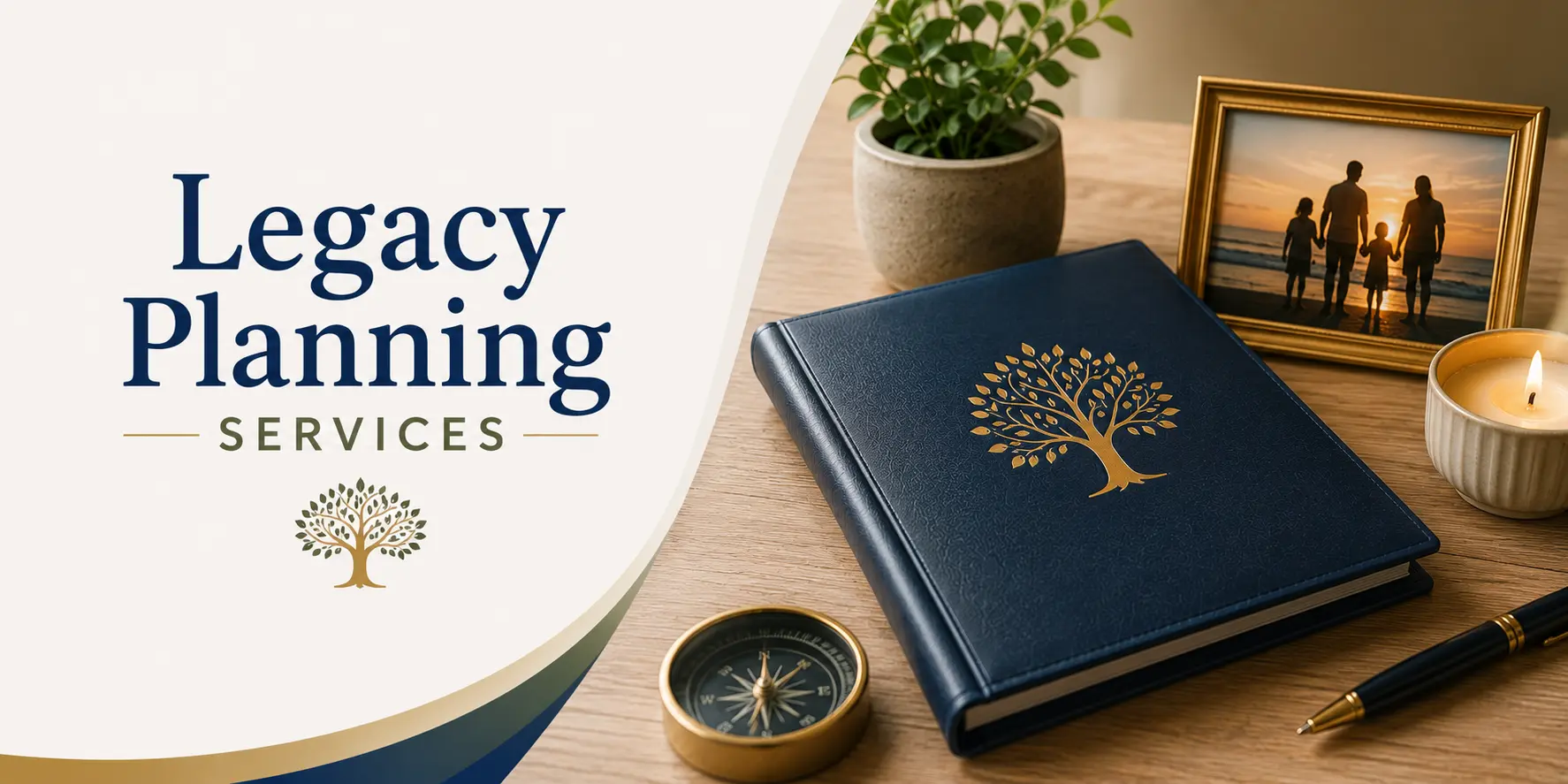
When people hear the term “legacy planning,” they often think about wills, trusts, financial assets, and estate documents. While these are important aspects of future planning, a complete legacy extends far beyond money and property. Legacy planning is also about preserving the stories, experiences, values, lessons, relationships, and personal identity that define a person’s life.
Every individual leaves an impact on family, friends, communities, professions, and future generations. The question is whether those contributions will be remembered and preserved. Unfortunately, many families lose valuable stories, personal wisdom, family traditions, photographs, and life lessons because they were never documented or shared.
Legacy planning helps individuals intentionally preserve what matters most. It creates opportunities to capture personal history, family memories, ethical values, faith traditions, professional accomplishments, caregiving experiences, and life lessons that future generations can learn from and cherish.
For healthcare workers, educators, self-employed professionals, caregivers, retirees, and families affected by dementia or Alzheimer’s disease, legacy planning provides a meaningful framework for protecting identity and ensuring that important stories endure.
Research suggests that life review and reminiscence activities contribute to psychological well-being, increased life satisfaction, and a stronger sense of meaning among older adults (Westerhof & Bohlmeijer, 2014). Legacy planning transforms those reflections into lasting resources for future generations.
What Is Legacy Planning?
Legacy planning is the intentional process of preserving the tangible and intangible aspects of a person’s life.
Traditional legacy planning often includes:
- Wills
- Trusts
- Estate planning
- Healthcare directives
- Financial records
- Beneficiary designations
Modern legacy planning expands beyond legal and financial matters to include:
- Life stories
- Family history
- Personal values
- Recorded memories
- Ethical wills
- Family traditions
- Personal letters
- Audio and video recordings
- Legacy messages
- Digital archives
The goal is to ensure that future generations inherit not only assets but also meaning, wisdom, and identity.
Why Legacy Planning Is More Than Estate Planning
Estate planning focuses primarily on transferring property and managing legal affairs after death.
Legacy planning addresses deeper questions:
- What values do I want to pass on?
- What lessons have I learned?
- How do I want to be remembered?
- What stories should future generations know?
- What family traditions should continue?
- What wisdom can I share?
Research on generativity suggests that many adults find meaning through contributing to future generations and leaving a positive impact beyond their lifetime (Erikson, 1982).
Legacy planning creates a structured way to accomplish this goal.
The Importance of Preserving Identity
One of the most overlooked aspects of legacy planning is identity preservation.
Identity includes:
- Personal experiences
- Relationships
- Cultural heritage
- Faith traditions
- Career accomplishments
- Family roles
- Personal values
- Life lessons
Without intentional preservation efforts, these important aspects of a person’s life can disappear over time.
Legacy planning helps future generations understand not only what a person did but who they were.
Legacy Planning for Families Affected by Dementia
Families facing dementia or Alzheimer’s disease often recognize the urgency of legacy planning.
As memory and communication abilities change, opportunities to capture stories and experiences may become limited.
Legacy planning can help preserve:
- Personal memories
- Family traditions
- Life experiences
- Important relationships
- Personal wisdom
- Family history
Research on life story work demonstrates its value in supporting person-centered care and maintaining identity throughout dementia progression (McKeown et al., 2010).
By documenting memories early, families help ensure that important stories remain available for future generations.
Legacy Planning for Family Caregivers
Caregivers frequently become the protectors of family stories and traditions.
Legacy planning can help caregivers:
- Preserve family history
- Document meaningful experiences
- Create memory archives
- Reduce future regret
- Strengthen family bonds
- Honor loved ones
Many caregivers discover that legacy projects provide comfort, purpose, and meaningful opportunities for connection.
Legacy Planning for Healthcare Professionals
Healthcare workers dedicate their careers to improving the lives of others. Their experiences often contain valuable lessons that deserve preservation.
Legacy planning allows healthcare professionals to document:
- Career achievements
- Patient care philosophies
- Leadership experiences
- Personal reflections
- Professional wisdom
- Community contributions
These stories can continue influencing future healthcare professionals and family members alike.
Legacy Planning for Educators
Teachers, professors, administrators, and educational leaders often leave lasting impacts on countless students.
Legacy planning helps educators preserve:
- Teaching philosophies
- Educational achievements
- Mentorship experiences
- Community service
- Personal values
- Life lessons
Future generations gain insight into the people who shaped their communities and educational institutions.
Legacy Planning for Self-Employed Professionals
Entrepreneurs and business owners often build careers that become deeply connected to personal identity.
Legacy planning can help preserve:
- Business histories
- Entrepreneurial lessons
- Leadership experiences
- Professional knowledge
- Family business traditions
- Personal achievements
For many self-employed professionals, their business journey becomes an important part of their legacy.
Components of a Comprehensive Legacy Plan
A meaningful legacy plan often includes several elements.
Life Story Documentation
Personal narratives help preserve experiences, values, and memories.
Family History Preservation
Documenting family origins, traditions, and relationships strengthens intergenerational continuity.
Ethical Wills
Ethical wills communicate values, beliefs, life lessons, and hopes for future generations.
Legacy Letters
Personal letters provide direct messages to children, grandchildren, and loved ones.
Memory Archives
Photographs, videos, audio recordings, and documents create lasting records.
Digital Legacy Planning
Modern legacy planning includes organizing digital assets, online accounts, and electronic records.
The Role of Life Review in Legacy Planning
Life review involves reflecting on important experiences and examining their meaning within the broader context of one’s life.
Research indicates that life review interventions can support psychological well-being and promote a sense of coherence and fulfillment (Westerhof & Bohlmeijer, 2014).
Common life review topics include:
- Childhood memories
- Family relationships
- Career accomplishments
- Challenges overcome
- Personal growth
- Spiritual beliefs
- Lessons learned
These reflections often become the foundation of meaningful legacy projects.
Benefits of Legacy Planning
Preserves Identity
Future generations gain a deeper understanding of who their loved ones were.
Protects Family History
Stories and traditions remain accessible across generations.
Supports Dementia Care
Documented life stories help caregivers provide personalized support.
Strengthens Family Connections
Legacy projects encourage meaningful conversations.
Reduces Future Regret
Families often wish they had recorded more stories and wisdom from loved ones.
Creates a Lasting Impact
Personal experiences continue influencing future generations.
Encourages Purpose and Reflection
Legacy planning provides opportunities for meaningful self-reflection and contribution.
How Our Legacy Planning Services Help
Our legacy planning services help individuals and families preserve identity, stories, wisdom, and values through comprehensive documentation and memory preservation.
We assist with:
- Life story interviews
- Family history projects
- Legacy letter creation
- Ethical will development
- Memory archive creation
- Biography writing
- Audio and video storytelling
- Digital legacy preservation
- Caregiver reference systems
Our approach focuses on preserving the human story behind every life, ensuring that memories, lessons, and values continue to inspire future generations.
Frequently Asked Questions
What is legacy planning?
Legacy planning is the process of preserving personal values, stories, memories, wisdom, family history, and important information for future generations.
How is legacy planning different from estate planning?
Estate planning focuses on legal and financial matters, while legacy planning focuses on preserving identity, values, experiences, and life lessons.
Why is legacy planning important?
It helps future generations understand family history, personal values, and the experiences that shaped previous generations.
What is an ethical will?
An ethical will is a document that shares personal values, beliefs, lessons, and hopes rather than financial assets.
Can legacy planning help families affected by dementia?
Yes. Early legacy planning allows individuals to preserve stories and memories before cognitive decline progresses.
What should be included in a legacy plan?
Life stories, family history, personal values, photographs, recordings, letters, wisdom, and important family traditions.
When should someone begin legacy planning?
Legacy planning can begin at any age, but earlier planning allows more opportunities to capture meaningful experiences.
Can digital archives be part of legacy planning?
Yes. Digital archives help preserve photographs, videos, recordings, and family documents in accessible formats.
Why do healthcare professionals benefit from legacy planning?
Healthcare professionals often possess valuable experiences and lessons that can inspire future generations and colleagues.
How does legacy planning strengthen families?
Shared stories and preserved memories create stronger intergenerational connections and a greater sense of identity.
Key Takeaways
Legacy planning is about more than preparing for the future. It is about preserving identity, protecting family history, documenting life lessons, and ensuring that personal values and experiences continue to influence future generations. Whether supporting dementia care, preserving professional accomplishments, strengthening family relationships, or creating a lasting record of a life well lived, legacy planning provides a meaningful way to honor the past while enriching the future. The most valuable inheritance often is not financial wealth but the stories, wisdom, and values that define a family’s identity across generations.
References
Erikson, E. H. (1982). The life cycle is completed. W. W. Norton.
McKeown, J., Clarke, A., Ingleton, C., Ryan, T., & Repper, J. (2010). The use of life story work with people with dementia to enhance person-centred care. International Journal of Older People Nursing, 5(2), 148–158. https://doi.org/10.1111/j.1748-3743.2010.00219.x
Westerhof, G. J., & Bohlmeijer, E. T. (2014). Celebrating fifty years of research and applications in reminiscence and life review: State of the art and new directions. Journal of Aging Studies, 29, 107–114. https://doi.org/10.1016/j.jaging.2014.02.003
Brooker, D. (2004). What is person-centred care in dementia? Reviews in Clinical Gerontology, 13(3), 215–222. https://doi.org/10.1017/S095925980400108X