
Preserving Memories, Wisdom, and Identity for Future Generations
Why Life Story Recording Matters More Than Ever
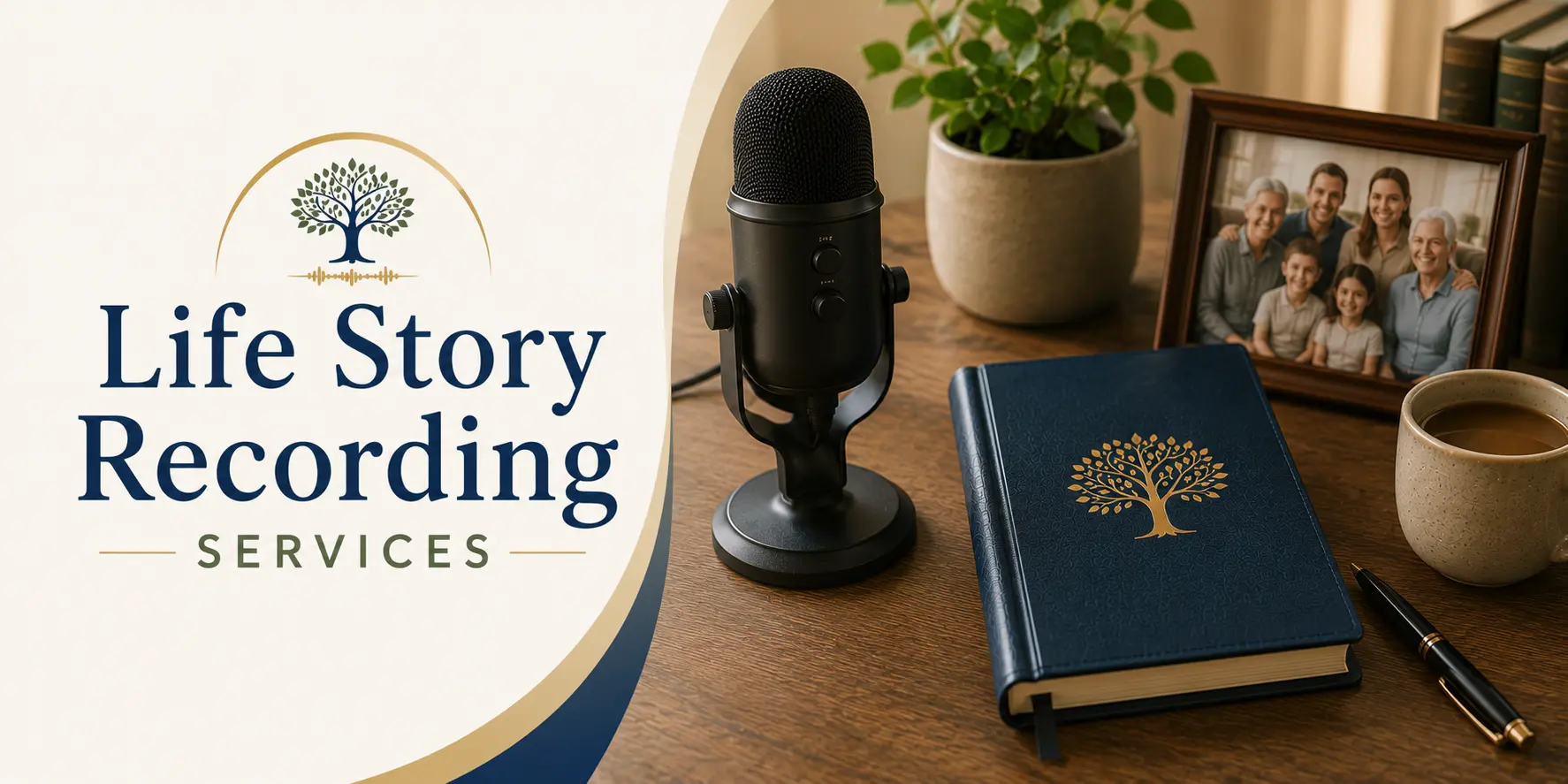
Every person carries a lifetime of experiences, memories, lessons, relationships, accomplishments, struggles, and wisdom that help define who they are. Yet countless family stories disappear every year because they are never recorded, preserved, or shared. Whether due to aging, dementia, Alzheimer’s disease, unexpected illness, or simply the passage of time, valuable memories can be lost forever if they are not captured while they can still be told.
Life story recording provides individuals and families with a meaningful way to preserve personal histories, family traditions, values, and experiences for future generations. More than a collection of memories, life story recording helps protect identity, strengthen family connections, support caregiving efforts, and create a lasting legacy that can continue inspiring loved ones for decades.
For healthcare workers, educators, self-employed professionals, family caregivers, retirees, veterans, and aging adults, life story recording offers an opportunity to ensure that the stories behind the accomplishments, relationships, and life lessons are never forgotten.
Research suggests that reminiscence and life review activities can support emotional well-being, enhance self-identity, and improve communication, particularly among older adults and individuals living with dementia (Westerhof & Bohlmeijer, 2014). Capturing these stories creates both immediate and long-term benefits for individuals, families, and caregivers.
What Is Life Story Recording?
Life story recording is the process of documenting a person’s experiences, memories, relationships, achievements, beliefs, and personal reflections through interviews, written narratives, audio recordings, video recordings, photographs, and digital archives.
Life story projects may include:
- Recorded interviews
- Personal biographies
- Family history narratives
- Audio storytelling
- Video memoirs
- Memory journals
- Legacy letters
- Digital memory archives
- Genealogy collections
- Family photo documentation
The goal is not simply to create a record of events but to preserve the individual’s identity, perspective, values, and voice.
The Importance of Preserving Identity
Many families fear that memories and personal stories will disappear over time. This concern becomes especially significant when dementia, Alzheimer’s disease, or other cognitive conditions affect memory and communication.
Life story recording helps preserve:
- Personal identity
- Family heritage
- Cultural traditions
- Career accomplishments
- Faith and beliefs
- Family values
- Life lessons
- Personal wisdom
Research in person-centered dementia care emphasizes that understanding a person’s life story improves caregiving relationships and supports dignity throughout the care journey (McKeown et al., 2010).
Identity remains important even when memory changes.
Life Story Recording for Family Caregivers
Family caregivers often wish they had captured more stories before cognitive decline progressed.
Life story recording provides caregivers with:
- Meaningful conversations
- Family history preservation
- Caregiver reference materials
- Improved understanding of loved ones
- Enhanced communication opportunities
- Legacy-building experiences
Documented stories often become valuable resources for children, grandchildren, and future caregivers.
In addition, life story projects can strengthen emotional bonds while creating opportunities for positive interaction.
Life Story Recording for Individuals Living With Dementia
For individuals diagnosed with dementia or Alzheimer’s disease, early life story recording can be especially valuable.
Studies suggest that life story work supports person-centered care by helping caregivers better understand the individual’s history, preferences, and identity (McKeown et al., 2010).
Life story materials can assist with:
- Memory stimulation
- Conversation prompts
- Emotional connection
- Care planning
- Personalized support
- Identity preservation
Capturing stories early allows individuals to actively participate in sharing their own experiences and perspectives.
Life Story Recording for Healthcare Professionals
Healthcare providers increasingly recognize the value of understanding the person behind the diagnosis.
Life story documentation helps healthcare professionals:
- Deliver person-centered care
- Improve communication
- Understand patient preferences
- Build trust with families
- Enhance care planning
- Support emotional well-being
Research demonstrates that person-centered approaches contribute to improved care experiences and quality of life (Brooker, 2004).
Life story recordings provide valuable context that traditional medical records often cannot capture.
Life Story Recording for Educators
Teachers, professors, administrators, and educational leaders possess decades of knowledge, experience, and influence that deserve preservation.
Life story recording allows educators to document:
- Teaching philosophies
- Career experiences
- Educational accomplishments
- Lessons learned
- Community impact
- Personal reflections
Future generations benefit from hearing directly from those who helped shape minds and communities.
Life Story Recording for Self-Employed Professionals
Business owners, entrepreneurs, consultants, tradespeople, and self-employed professionals often accumulate unique knowledge that may never be formally documented.
Life story recording can preserve:
- Business history
- Career milestones
- Professional lessons
- Industry insights
- Leadership experiences
- Personal success stories
For many self-employed individuals, their professional journey is an important part of their overall legacy.
The Role of Reminiscence and Life Review
Life story recording often incorporates reminiscence and life review techniques.
Life review involves reflecting on significant life events and examining their meaning within the broader context of one’s life.
Research suggests that structured life review interventions can improve psychological well-being, increase life satisfaction, and strengthen a sense of meaning among older adults (Westerhof & Bohlmeijer, 2014).
Topics frequently explored include:
- Childhood memories
- Family traditions
- Educational experiences
- Career achievements
- Relationships
- Military service
- Community involvement
- Personal values
These reflections help create a more complete and meaningful record of a person’s life.
Benefits of Life Story Recording
Preserves Family History
Stories often contain details that never appear in official records.
Protects Personal Identity
Life stories help future generations understand the individual behind the photographs and dates.
Strengthens Family Connections
Sharing memories encourages meaningful conversations across generations.
Supports Dementia Care
Personal histories help caregivers provide individualized support.
Creates a Lasting Legacy
Recorded stories become treasured family resources for years to come.
Captures Wisdom and Values
Life experiences often contain lessons that families want to preserve.
Enhances Emotional Well-Being
Reflecting on meaningful experiences can promote purpose and self-understanding.
What Can Be Included in a Life Story Recording?
Life story projects are highly personalized but often include:
Early Life
- Childhood memories
- Parents and grandparents
- Family traditions
- Community experiences
Education
- Schools attended
- Teachers and mentors
- Educational achievements
Career
- Professional accomplishments
- Challenges overcome
- Important lessons learned
Family
- Marriage and relationships
- Parenting experiences
- Family milestones
Values and Beliefs
- Faith traditions
- Personal philosophies
- Life lessons
Legacy Messages
- Advice for future generations
- Reflections on life
- Hopes for family members
How Our Life Story Recording Services Help
Our life story recording services help individuals and families preserve memories, identity, wisdom, and family history in meaningful and accessible formats.
We assist with:
- Guided life story interviews
- Personal biography creation
- Memory preservation projects
- Family history documentation
- Digital memory archives
- Audio and video storytelling
- Legacy preservation planning
- Caregiver reference systems
Our approach recognizes that every person’s story deserves to be remembered, shared, and preserved.
Frequently Asked Questions
What is life story recording?
Life story recording is the process of documenting a person’s memories, experiences, relationships, values, and personal history through interviews, writing, audio, video, and digital preservation.
Why is life story recording important?
It preserves identity, family history, personal wisdom, and meaningful memories that might otherwise be lost.
When should someone begin recording their life story?
Ideally, as early as possible. Life story recording is valuable at any age, but can be especially important before significant health or cognitive changes occur.
Can life story recording help people with dementia?
Yes. Life story materials support person-centered care, communication, and identity preservation.
What information should be included in a life story project?
Family history, childhood memories, career experiences, relationships, achievements, personal values, traditions, and life lessons.
Is life story recording only for older adults?
No. Adults of all ages can benefit from preserving personal stories and documenting important experiences.
Can life story recordings support caregivers?
Yes. Life story information helps caregivers better understand and connect with the individuals they support.
What formats can life stories be preserved in?
Written biographies, audio recordings, video interviews, digital archives, memory books, and family history collections.
How does life story recording support future generations?
It provides descendants with firsthand accounts of family experiences, values, traditions, and personal wisdom.
What is the difference between genealogy and life story recording?
Genealogy focuses on family relationships and historical records, while life story recording captures personal experiences, reflections, memories, and identity.
Key Takeaways
Life story recording is one of the most meaningful ways to preserve identity, strengthen family connections, and ensure that valuable memories, experiences, and life lessons are not lost. Whether supporting dementia care, documenting family history, preserving professional accomplishments, or creating a lasting legacy for future generations, life story recording provides individuals and families with a powerful tool for maintaining continuity across generations. Every story matters, and every life deserves to be remembered.
References
Brooker, D. (2004). What is person-centred care in dementia? Reviews in Clinical Gerontology, 13(3), 215–222. https://doi.org/10.1017/S095925980400108X
McKeown, J., Clarke, A., Ingleton, C., Ryan, T., & Repper, J. (2010). The use of life story work with people with dementia to enhance person-centred care. International Journal of Older People Nursing, 5(2), 148–158. https://doi.org/10.1111/j.1748-3743.2010.00219.x
Westerhof, G. J., & Bohlmeijer, E. T. (2014). Celebrating fifty years of research and applications in reminiscence and life review: State of the art and new directions. Journal of Aging Studies, 29, 107–114. https://doi.org/10.1016/j.jaging.2014.02.003