
Protecting Stories, Identity, and Legacy Across Generations
Why Preserving Family Memories Matters More Than Ever
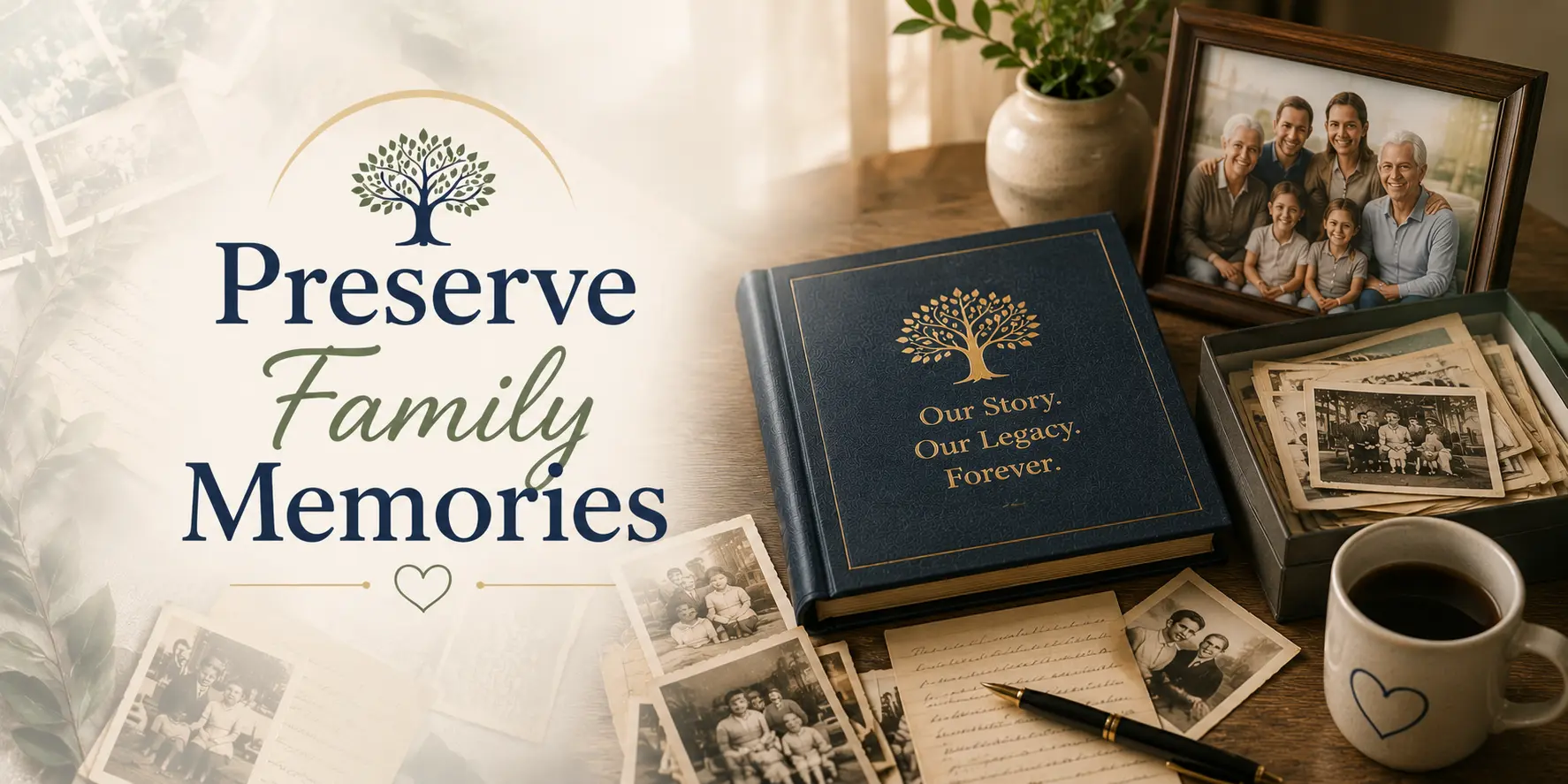
Every family has stories that define who they are. Stories of perseverance, sacrifice, love, faith, achievement, immigration, military service, entrepreneurship, caregiving, education, and family traditions help shape identity across generations. Yet every day, countless memories disappear as loved ones age, photographs deteriorate, stories go untold, and valuable family knowledge is lost forever.
Preserving family memories is about much more than saving old photographs or storing documents. It is about protecting the experiences, values, wisdom, and relationships that make each family unique. It ensures that future generations understand where they came from, what their family overcame, and the lessons that shaped their lives.
For families facing dementia, Alzheimer’s disease, serious illness, or aging-related challenges, memory preservation becomes even more urgent. Capturing stories before memories fade allows individuals to actively participate in sharing their life experiences while creating a lasting legacy for children, grandchildren, and future descendants.
Research suggests that reminiscence, storytelling, and life review activities contribute to psychological well-being, strengthen identity, and foster meaningful connections across generations (Westerhof & Bohlmeijer, 2014). Preserving family memories is both an act of love and an investment in future family continuity.
What Does It Mean to Preserve Family Memories?
Family memory preservation involves documenting and safeguarding the stories, experiences, traditions, photographs, recordings, documents, and personal reflections that define a family’s history.
This may include:
- Personal stories and memories
- Family photographs
- Audio recordings
- Video interviews
- Written biographies
- Family recipes
- Genealogy records
- Letters and journals
- Military records
- Career achievements
- Faith traditions
- Family milestones
The goal is not simply to archive information but to preserve identity, connection, and meaning.
The Hidden Cost of Lost Family Stories
Many families assume there will always be time to ask questions, record memories, or organize family history. Unfortunately, life often changes unexpectedly.
Families frequently regret not documenting:
- Parents’ childhood stories
- Grandparents’ life experiences
- Family migration histories
- Military service accounts
- Marriage stories
- Career accomplishments
- Family traditions
- Personal advice and wisdom
Research in family narrative studies suggests that knowing family stories contributes to stronger identity development, resilience, and emotional well-being among younger generations (Duke et al., 2008).
When stories disappear, future generations lose valuable opportunities to understand their heritage and family identity.
Preserving Family Memories for Individuals Living With Dementia
For families affected by dementia or Alzheimer’s disease, preserving memories can become a critical component of caregiving and identity preservation.
As cognitive changes progress, life story materials can help caregivers better understand:
- Personal preferences
- Important relationships
- Family traditions
- Significant life events
- Cultural background
- Values and beliefs
Life story work has been shown to support person-centered care and improve communication between caregivers and individuals living with dementia (McKeown et al., 2010).
Capturing memories early allows individuals to participate actively in sharing their own stories and experiences.
Preserving Family Memories for Caregivers
Family caregivers often discover that preserving memories serves both practical and emotional purposes.
Memory preservation can help caregivers:
- Create meaningful conversations
- Strengthen emotional connections
- Reduce feelings of regret
- Document important family history
- Support person-centered care
- Build legacy resources
Many caregivers report that storytelling projects provide moments of joy and connection during challenging caregiving journeys.
Preserving Family Memories for Healthcare Professionals
Healthcare professionals increasingly recognize the value of understanding a patient’s personal history.
Memory preservation tools can help healthcare teams:
- Deliver person-centered care
- Improve communication
- Understand patient preferences
- Build stronger relationships
- Support individualized care planning
Research demonstrates that life story approaches contribute to more personalized and compassionate care experiences (Brooker, 2004).
Preserving Family Memories for Educators
Educators often influence hundreds or thousands of lives throughout their careers. Their experiences, teaching philosophies, and personal journeys deserve preservation.
Family memory projects allow educators to document:
- Educational experiences
- Career accomplishments
- Mentorship stories
- Community involvement
- Life lessons
- Personal reflections
Future generations benefit from understanding the people behind these contributions.
Preserving Family Memories for Self-Employed Professionals
Business owners, entrepreneurs, tradespeople, consultants, and other self-employed professionals often possess unique stories that combine personal and professional achievements.
Memory preservation helps capture:
- Business history
- Professional milestones
- Entrepreneurial lessons
- Leadership experiences
- Family sacrifices
- Personal values
For many families, business stories become an important part of family heritage.
How Family Memories Strengthen Identity
Family memories help individuals answer fundamental questions:
- Who am I?
- Where did my family come from?
- What challenges did previous generations overcome?
- What values shaped our family?
- What lessons should be passed forward?
Research indicates that intergenerational storytelling contributes to stronger family identity and resilience (Duke et al., 2008).
When family stories are preserved, future generations gain access to experiences and wisdom that might otherwise disappear.
What Should Families Preserve?
Families are often surprised by how many meaningful memories can be documented.
Personal Stories
- Childhood memories
- School experiences
- Career journeys
- Marriage stories
- Parenting experiences
Family History
- Immigration stories
- Military service
- Family traditions
- Community involvement
Values and Wisdom
- Life lessons
- Faith traditions
- Advice for future generations
- Personal reflections
Photographs and Visual Memories
- Family portraits
- Special events
- Historical photographs
- Personal collections
Audio and Video Recordings
- Recorded interviews
- Family conversations
- Personal messages
- Storytelling sessions
The Role of Digital Memory Preservation
Modern technology provides new opportunities to preserve family memories safely and accessibly.
Digital preservation may include:
- Online family archives
- Digital photo collections
- Audio recordings
- Video interviews
- Cloud-based memory storage
- Interactive family history collections
Digital formats help ensure memories remain accessible for future generations, regardless of physical location.
Benefits of Preserving Family Memories
Protects Family History
Important stories remain available for future generations.
Strengthens Family Connections
Shared memories create stronger emotional bonds.
Supports Dementia Care
Life story materials assist caregivers and healthcare professionals.
Preserves Identity
Personal experiences remain connected to future family members.
Reduces Future Regret
Families often wish they had captured more stories while loved ones were still able to share them.
Creates a Lasting Legacy
Memories become a meaningful inheritance that extends beyond financial assets.
Encourages Intergenerational Understanding
Children and grandchildren gain insight into family experiences and values.
How Our Family Memory Preservation Services Help
Our family memory preservation services help individuals and families capture stories, organize memories, and create lasting records that preserve identity across generations.
We assist with:
- Life story interviews
- Family history documentation
- Memory archive creation
- Digital preservation projects
- Audio and video storytelling
- Biography development
- Legacy preservation planning
- Caregiver reference systems
Our goal is to ensure that important stories, values, experiences, and relationships remain accessible for generations to come.
Frequently Asked Questions
Why is preserving family memories important?
Preserving family memories protects stories, values, experiences, and relationships that help future generations understand their heritage and identity.
What types of memories should be preserved?
Family stories, photographs, interviews, personal reflections, traditions, life lessons, historical records, and significant life experiences.
When should families begin preserving memories?
As early as possible. Waiting often results in lost opportunities to capture valuable stories.
Can preserving family memories help people with dementia?
Yes. Life story materials support communication, identity preservation, and person-centered care.
How do family memories strengthen relationships?
Shared stories create emotional connections and encourage deeper understanding among family members.
What is the best way to preserve family stories?
A combination of interviews, written narratives, photographs, audio recordings, video recordings, and digital archives often provides the most comprehensive preservation.
Can family memory preservation support caregivers?
Yes. Personal histories help caregivers understand and connect with the individuals they support.
What is a digital memory archive?
A digital memory archive is a secure collection of stories, photographs, recordings, documents, and family history materials stored electronically.
Is family memory preservation only for older adults?
No. Individuals of all ages can benefit from documenting important experiences and preserving personal stories.
What legacy can family memories create?
Family memories preserve identity, wisdom, values, traditions, and experiences that continue influencing future generations.
Key Takeaways
Preserving family memories is one of the most meaningful ways to protect identity, strengthen family connections, and ensure that important stories are never lost. Whether documenting family history, supporting dementia care, capturing personal wisdom, or creating a lasting legacy, memory preservation helps families maintain continuity across generations. The stories shared today become the foundation for future generations to understand who they are, where they came from, and the values that shaped their family journey.
References
Brooker, D. (2004). What is person-centred care in dementia? Reviews in Clinical Gerontology, 13(3), 215–222. https://doi.org/10.1017/S095925980400108X
Duke, M. P., Lazarus, A., & Fivush, R. (2008). Knowledge of family history as a clinically useful index of psychological well-being and prosocial behavior in adolescents. The Family Stories Project, Emory University.
McKeown, J., Clarke, A., Ingleton, C., Ryan, T., & Repper, J. (2010). The use of life story work with people with dementia to enhance person-centred care. International Journal of Older People Nursing, 5(2), 148–158. https://doi.org/10.1111/j.1748-3743.2010.00219.x
Westerhof, G. J., & Bohlmeijer, E. T. (2014). Celebrating fifty years of research and applications in reminiscence and life review: State of the art and new directions. Journal of Aging Studies, 29, 107–114. https://doi.org/10.1016/j.jaging.2014.02.003